Ginkgo biloba
from Toul - remarkable tree of France
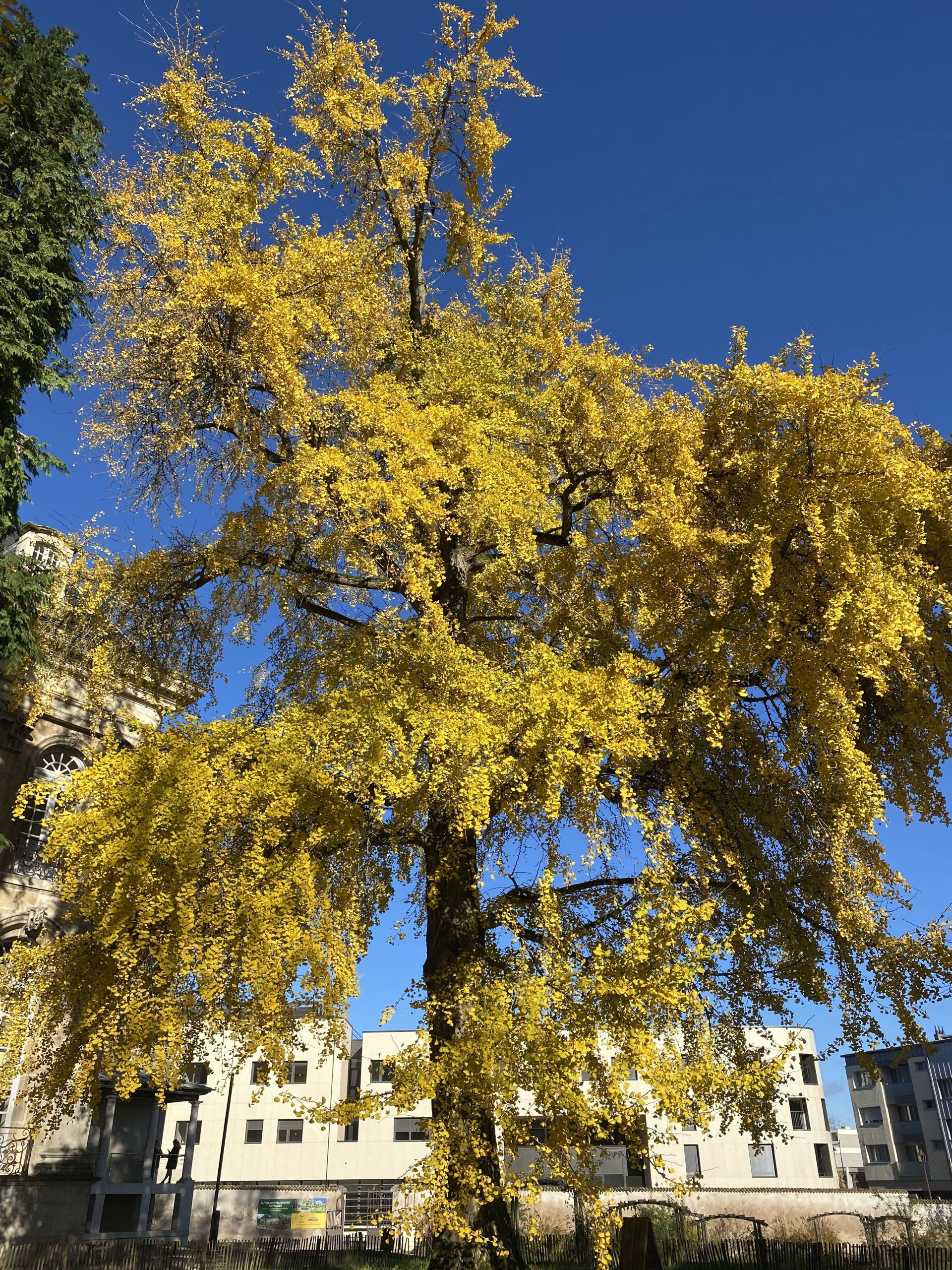
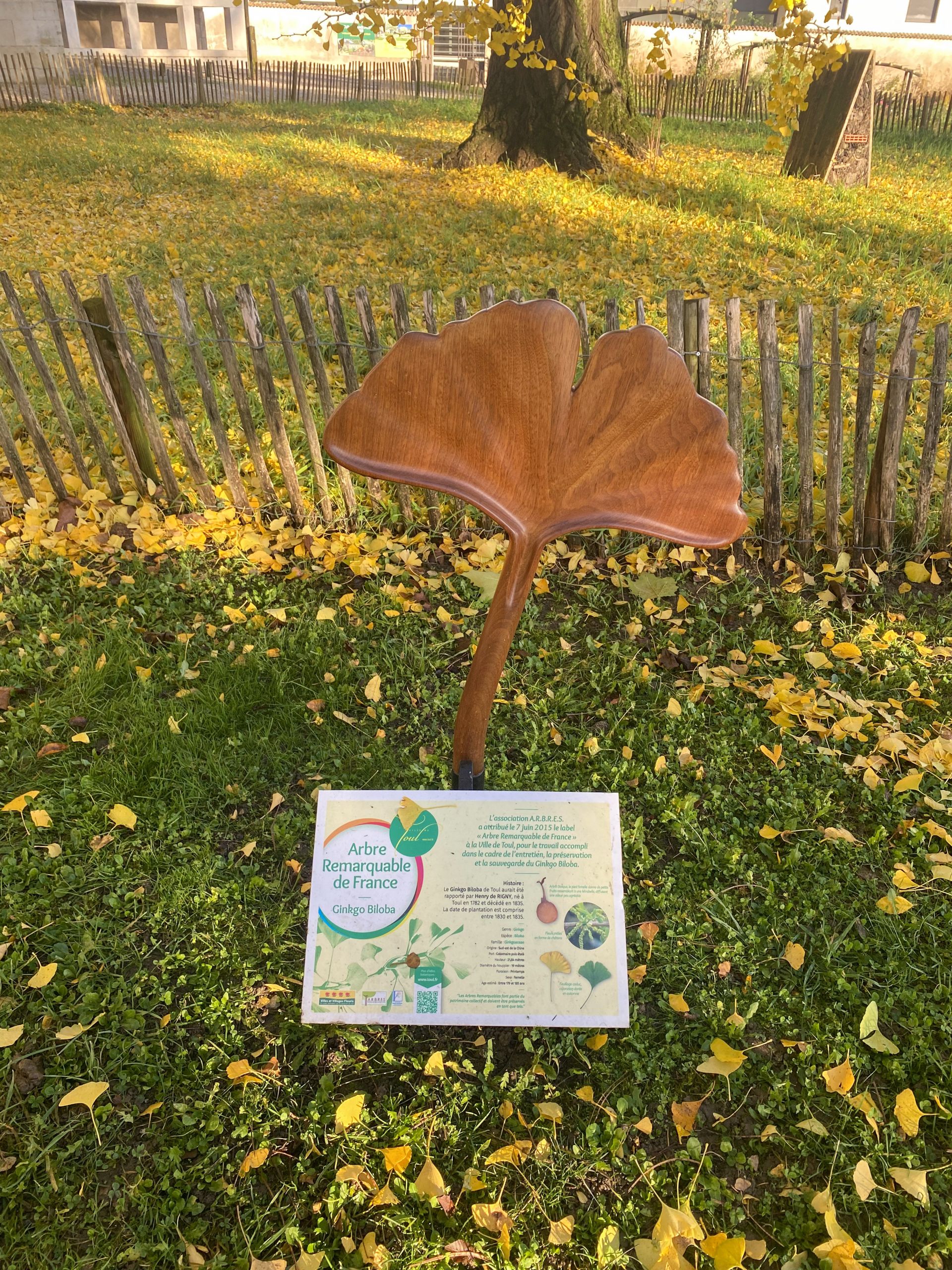
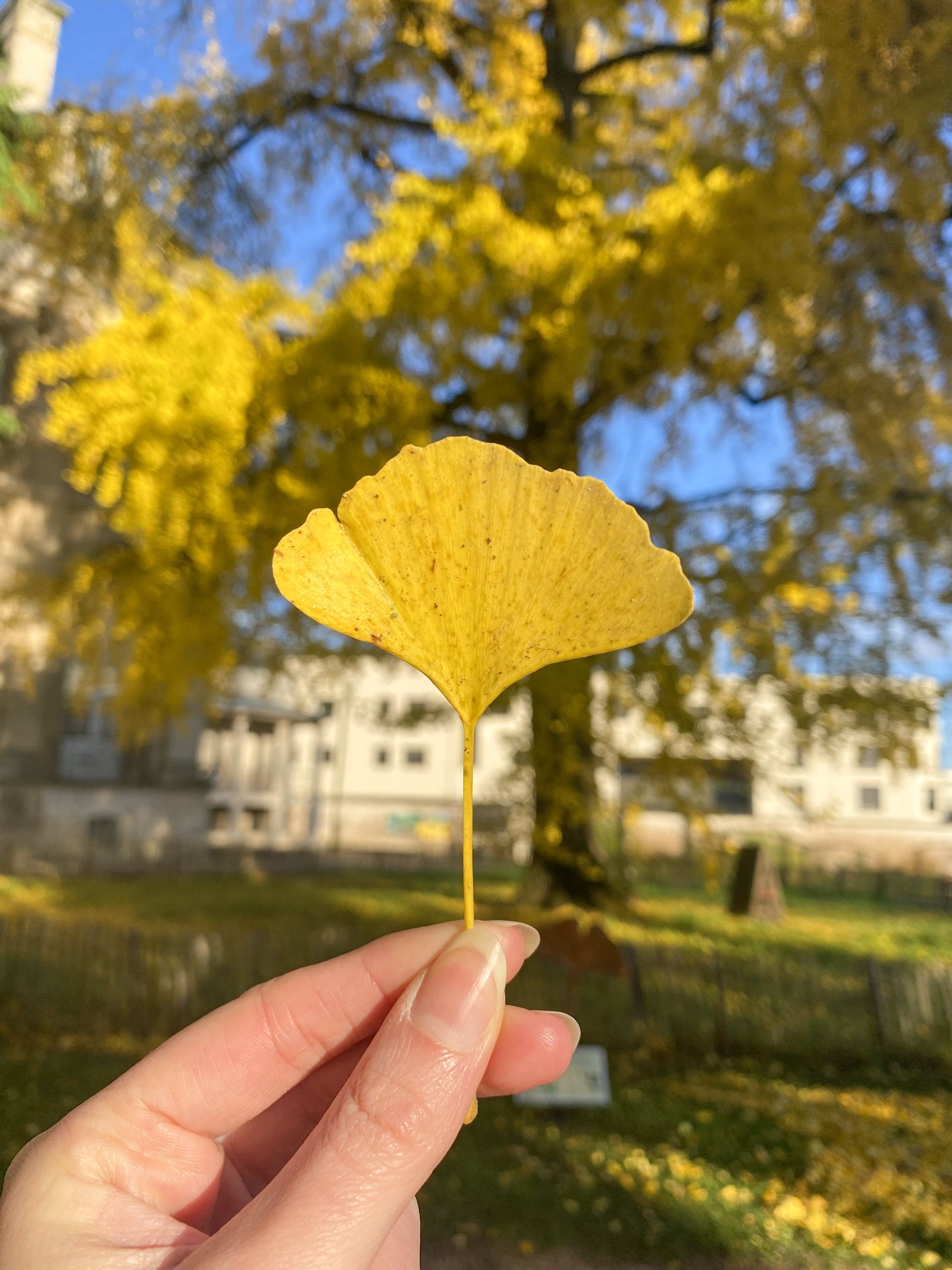
Ginkgo Biloba is naturalized in southeastern China, in the Tianmushan Mountains. The Ginkgo Biloba of Toul was reportedly brought back by Henri de Rigny, born in Toul in 1782 and deceased in 1835. Admiral de Rigny was created count and appointed maritime prefect in Toulon in 1829. In the Annals of the Horticultural Society of Paris of 1834, a certain Mr. Robert, director of the Marine garden located in Toulon, cites that he owns a ginkgo biloba measuring "3 feet 6 inches 4 lines" (107,7 cm) in circumference, "at the height of a man and 58 feet in elevation" (17,68 meters), in October 1831. According to the document, this tree was planted in 1804. Admiral de Rigny brought back to Toul, a cutting or a seed of the tree of Toulon. During a ceremony held on June 07, 2015, the Toul ginkgo became the 375th "Remarkable Tree" to be awarded the label in France. Standing at 21,84 meters tall at the time of its certification, the Toul ginkgo tree delights with its shimmering colors around mid-November, depending on the seasonal temperatures. Its distinctive golden foliage was a source of inspiration for Art Nouveau artists, particularly those of the Nancy School. This inspiration is still sometimes found in Daum's works.