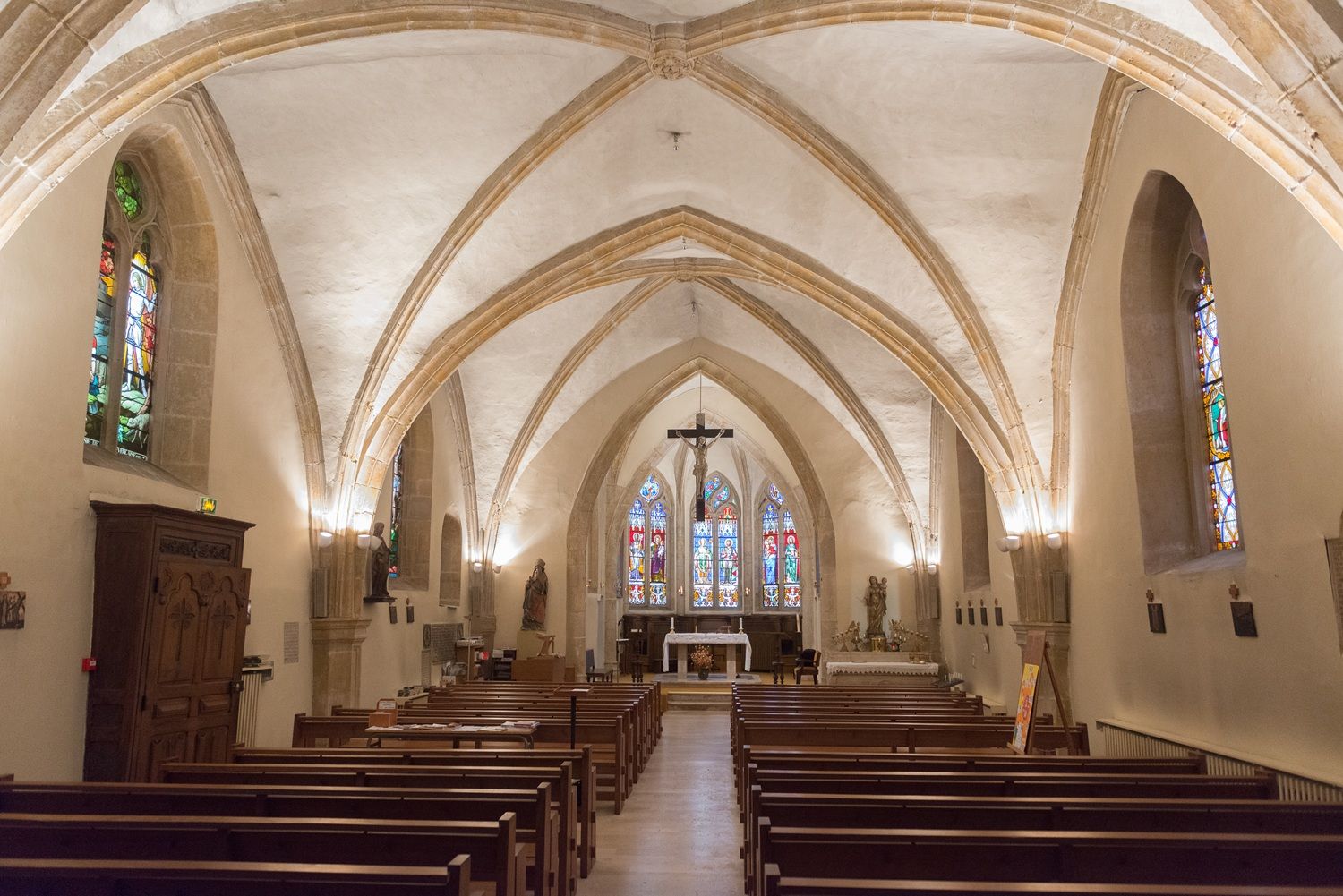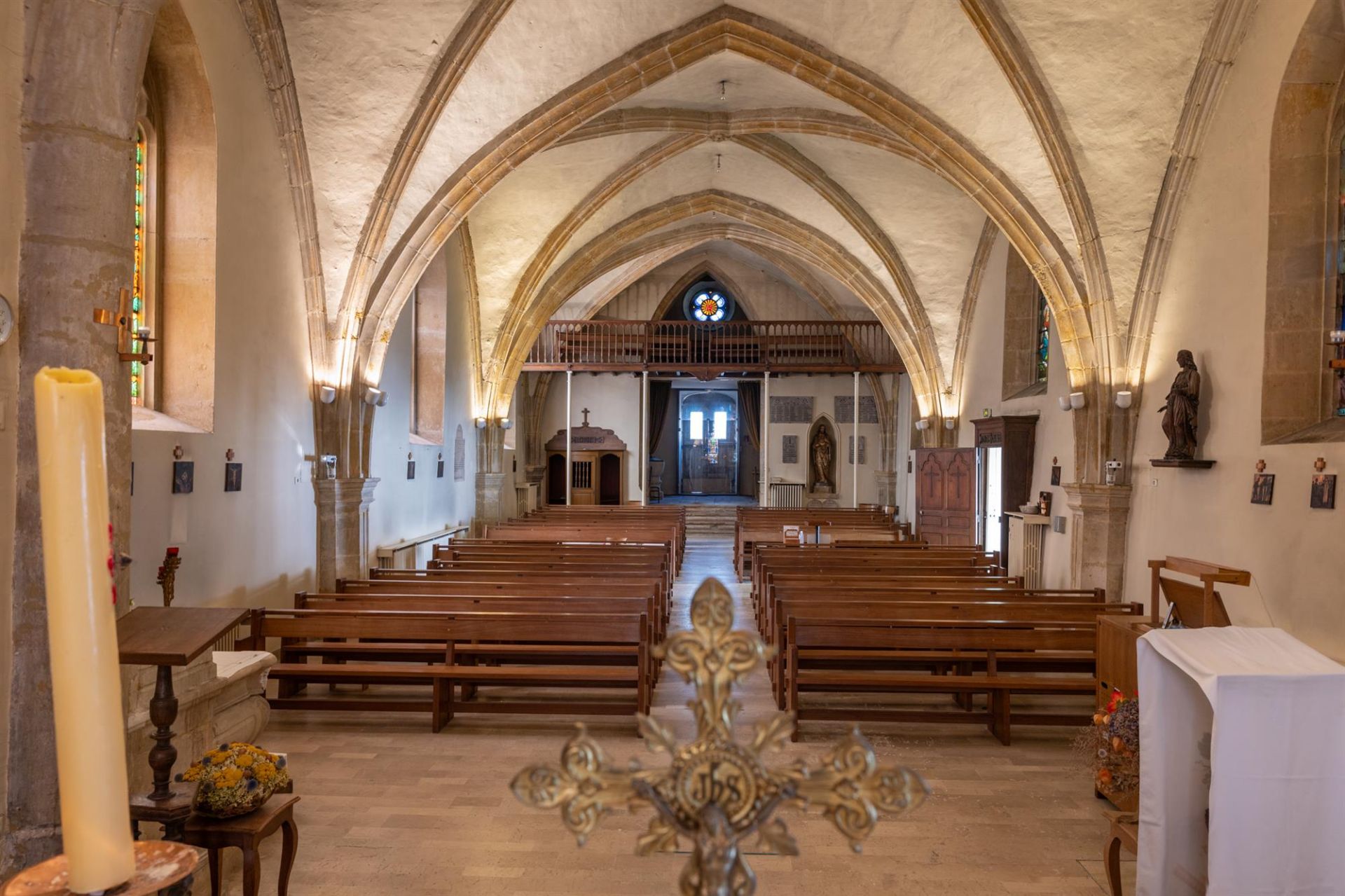
Saint-Melaine Church
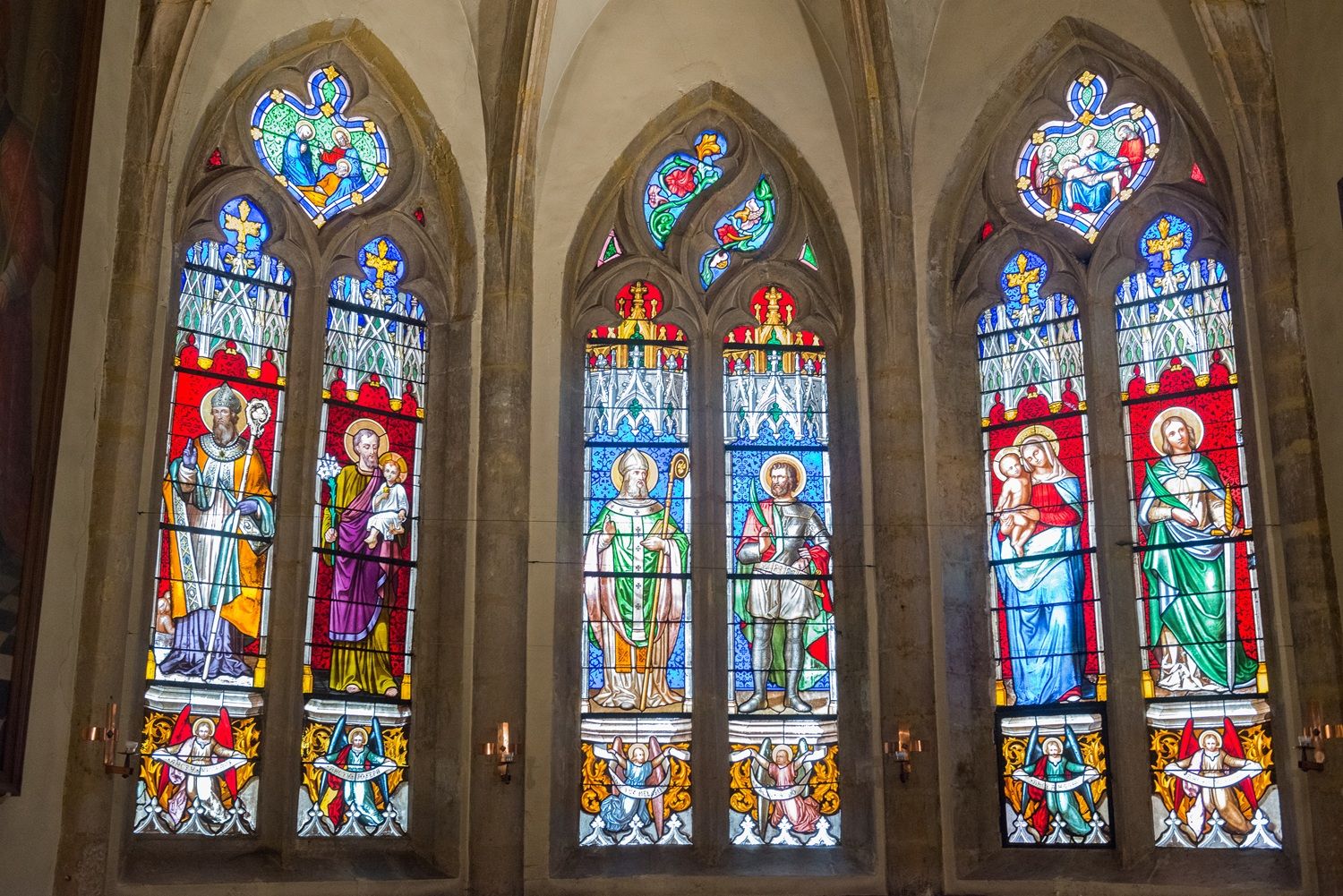
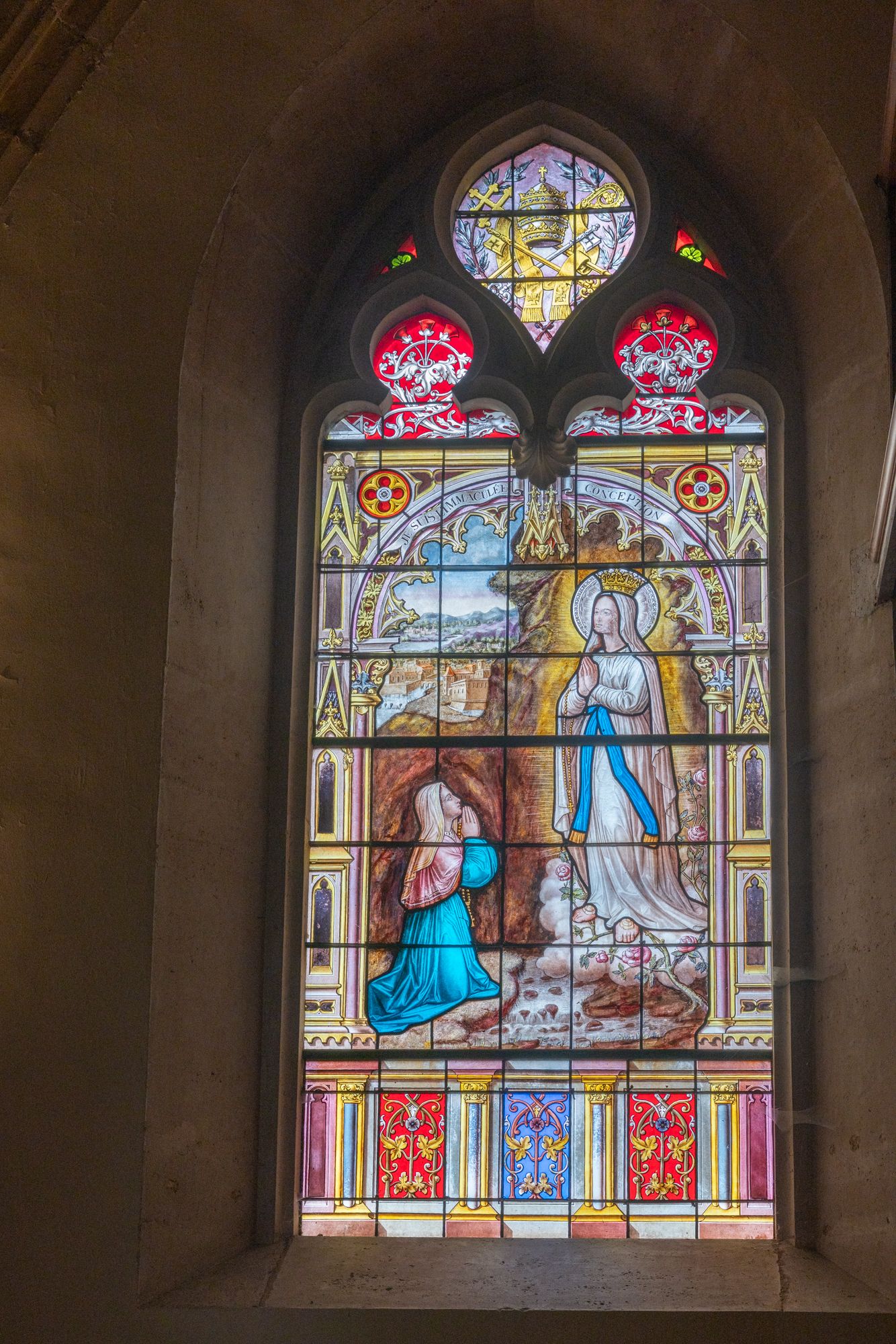
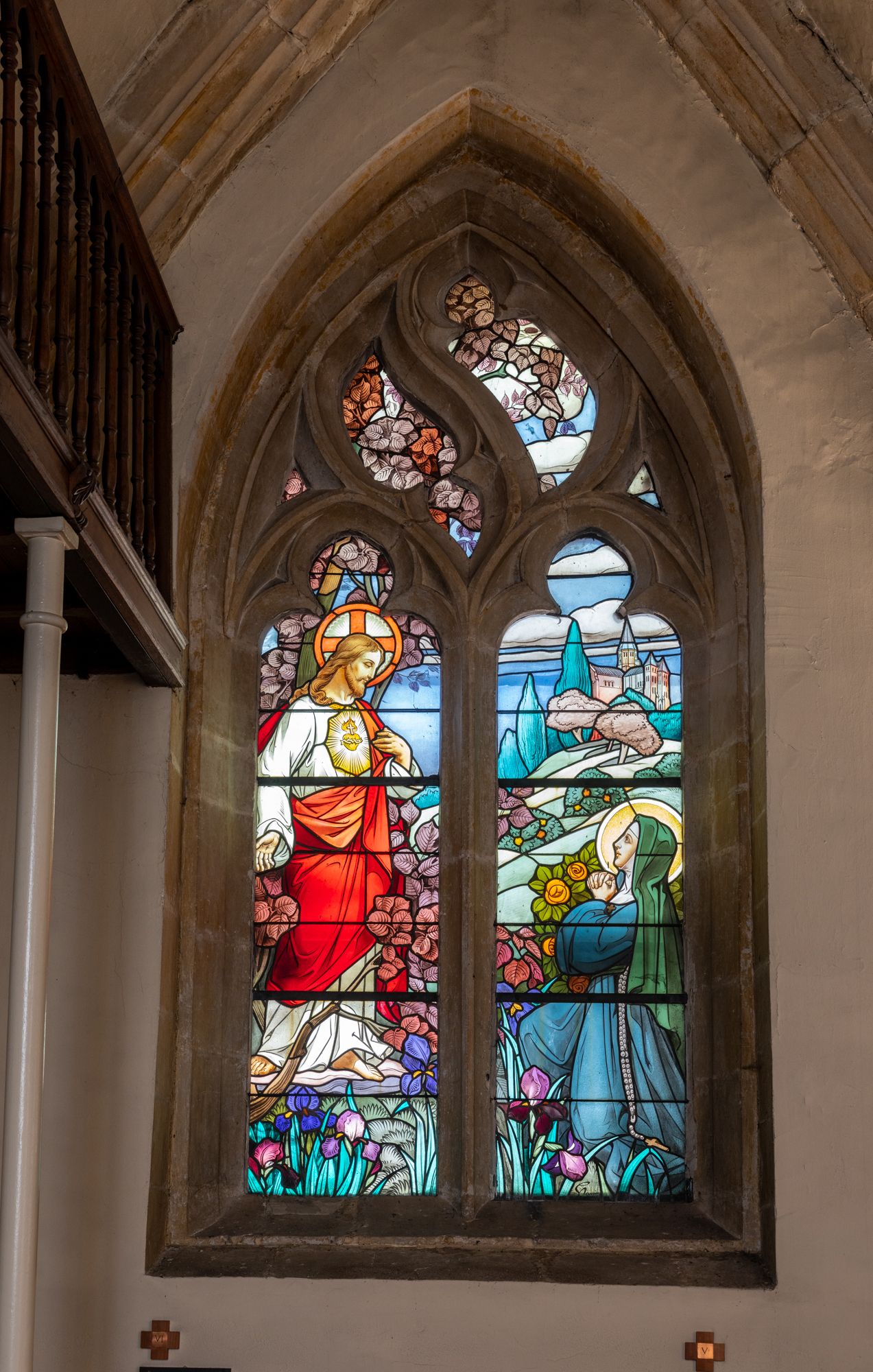
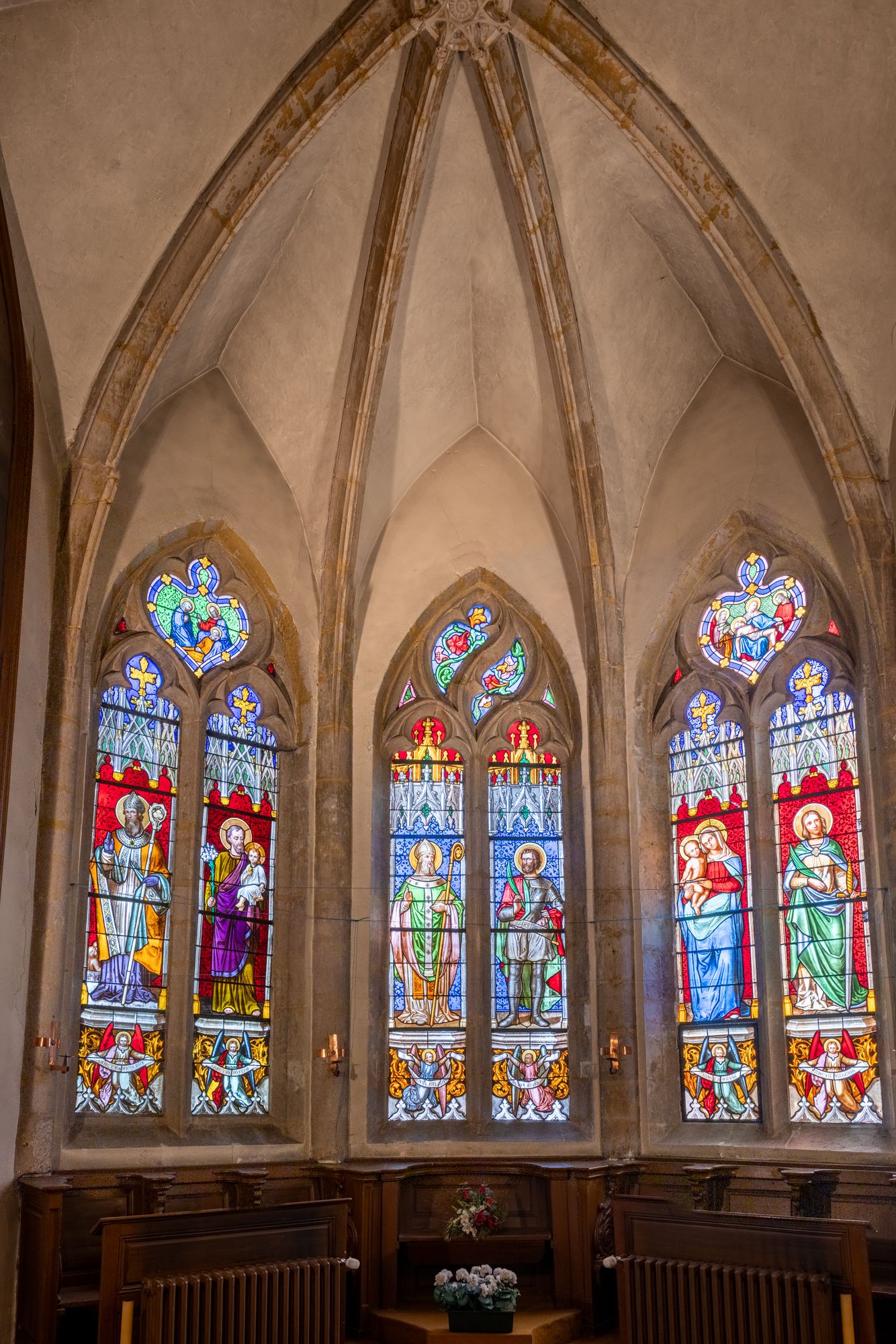
At the end of the 5th century, the territory of Vandœuvre was a significant seigniorial estate extending across the slopes of Brabois and Villers, encompassing land, woods, a stone house, and a church belonging to Thierry de Saint-Hilaire. This church, incorporated into the estate, was part of the lord's personal property, and he held hereditary rights over it. However, this possession of a church by a layman diverted religious property from its intended purpose and was deemed uncanonical by the Church. Two Cluniac monks, including the Prior of Froville, pressured Thierry de Saint-Hilaire to relinquish his possession. To avoid the eternal damnation promised to him, the lord complied and handed over his church to the Cluniac Order during a ceremony in Toul Cathedral, through Bishop Pibon, in the presence of the Prior of Froville. Thierry de Saint-Hilaire then requested the immediate dispatch of two monks from the mother abbey of Cluny. The Cluniac priory of Saint-Melaine, to which he gradually relinquished all his possessions, was thus founded around 1091 and brought a new and dynamic life to the village of Vandœuvre for several centuries. It remained very active until 1603, when it was attached to the Collegiate Church of Saint-Georges in Nancy. Of the five Cluniac priories in Lorraine, only three have survived in addition to Vandœuvre: Froville, Thicourt, and Relanges. Vandœuvre, whose priory was included in the census of Cluniac priories carried out under Louis VII, decided to join the European Federation of Cluniac Sites in 2022. (Pieta, statuary, and stained glass windows)