Fortified hearth
from Bayonville-sur-Mad
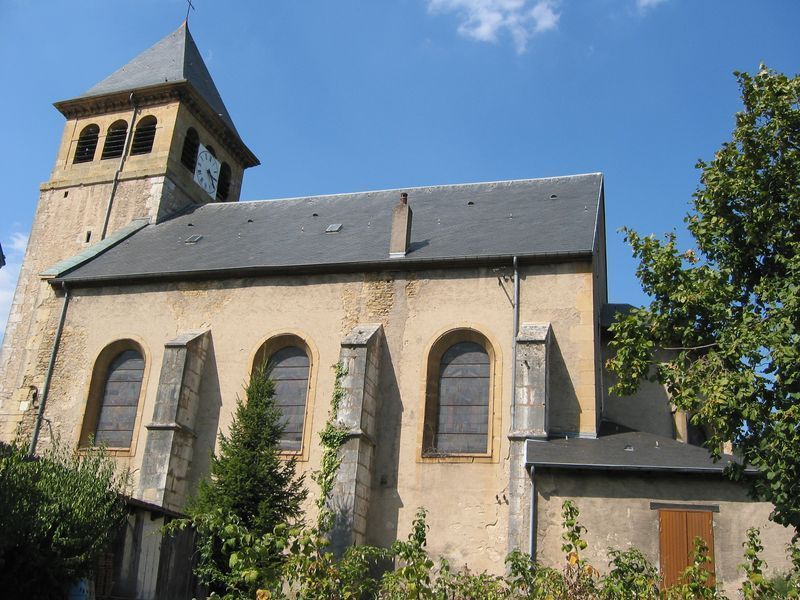
The stakes associated with the presence of one of the most beautiful vineyards in the area were the subject of envy during the Carolingian era. The Metz court decided to give the villa to Saint-Pierre-aux-Nonnains. Initially private property, Bayoncourt became Bayonville when the ban was given to the clergy. Saint-Gorgon de Gorze retained property in the area, and the appointment of a Duke of Haute-Lorraine at the end of the 1826th century resulted in the amputation of a "fine piece" of local vineyard for the benefit of the monks of the Belgian abbey of Orval. And, once the Duke, the advocate of Saint-Pierre-aux-Nonnains, had his fortress of Prény built on the lands of this abbey, part of the village came under its direct jurisdiction. This complexity of ownership makes the Aître Saint-Julien a special case in the Val de Mad. In the classical Middle Ages, the âtre took the form of the Madin model, but with the originality of having, at the end of the right wing, a stately home that local tradition called a "three-towered castle." The habitat was first built around the vineyard, then the âtre. Around the church, if the lateral cemetery has disappeared, the houses and cottages are still there on more than half of the "horseshoe." In XNUMX, the bell tower was still equipped with a hoarding, later removed because it was dilapidated and replaced by the "belfry floor" covered with slate. The most powerful buttresses that the church still has attest that it did not undergo any major renovations in the XNUMXth century. The current high altar supports a remarkable tabernacle that dates from the early years of the XNUMXth century.