Ville-au-Val Castle
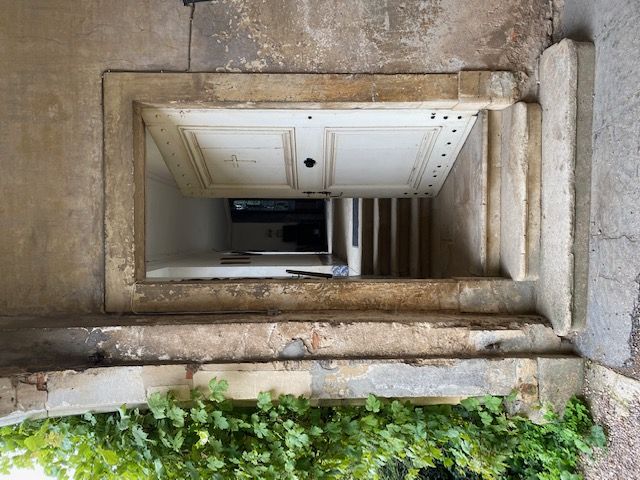
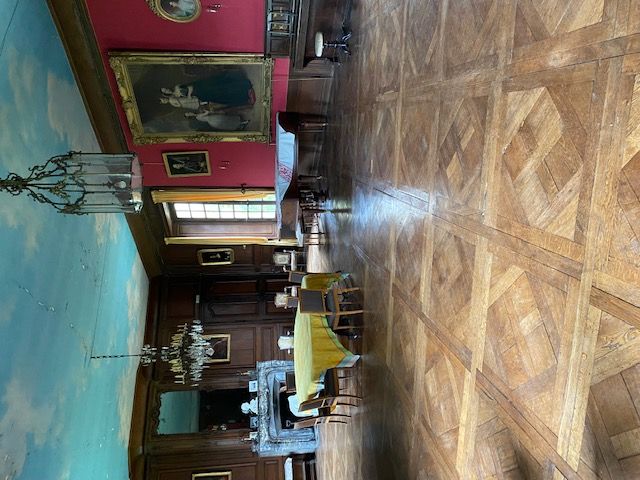
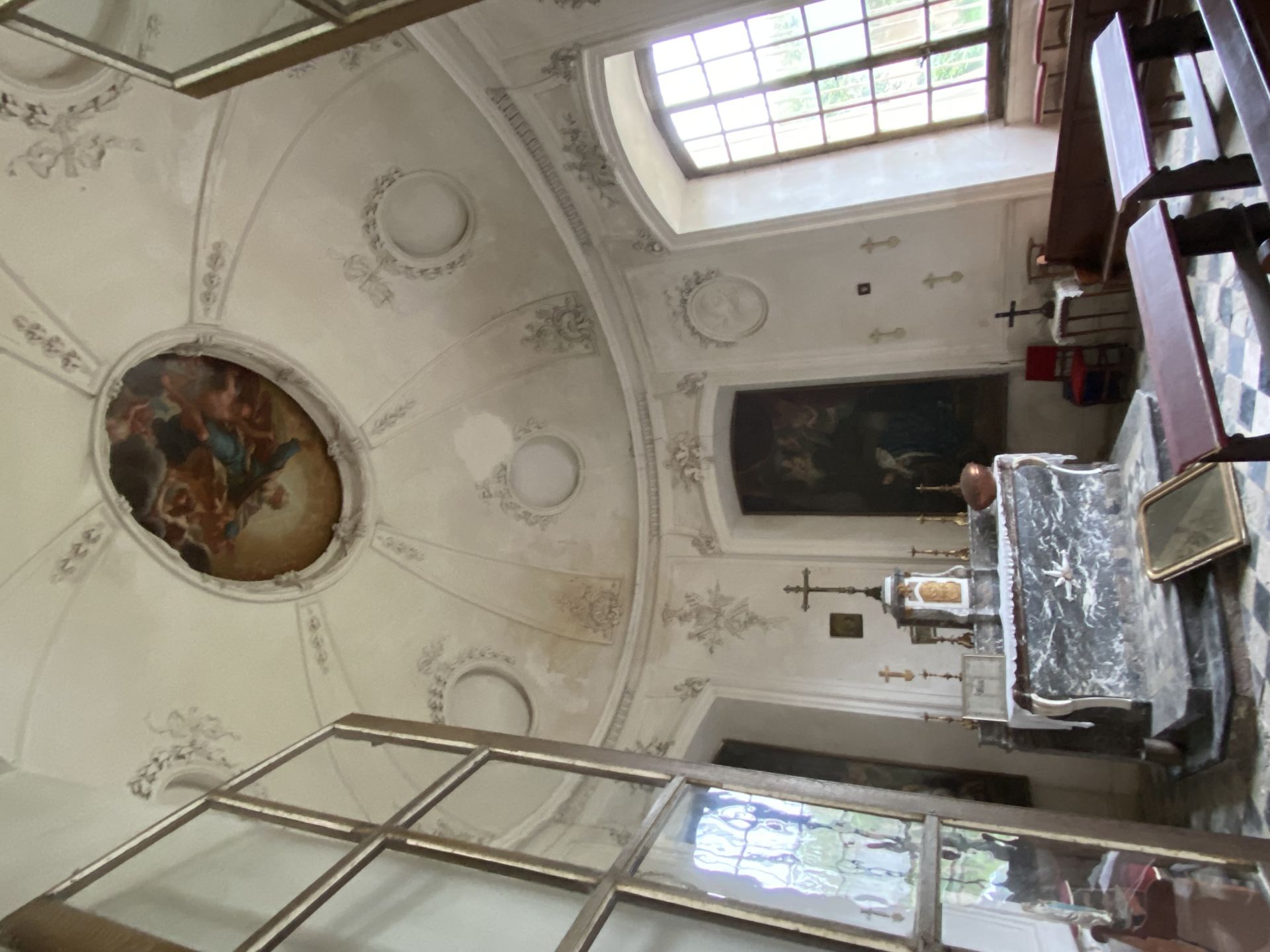
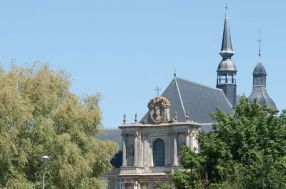
The land of Ville-au-Val, like the entire left bank of the Natagne, was under the jurisdiction of Barrois and more specifically of Mousson. The other bank depended on Dieulouard, a possession of the bishops of Verdun, giving Ville-au-Val a highly strategic position. The Château de Ville-au-Val has belonged to the same family since 1809, when François Antoine Louis Bourcier, Division General, State Councilor, Grand Officer of the Legion of Honor and Inspector General of the Cavalry of the Grande Armée, acquired the château by selling land received by Emperor Napoleon. In August 1944, it was at the Château de Ville-au-Val, in the presence of General Marshall, that General Patton decided on the attack that would lead his troops to Berchtesgaden and lead to the German surrender. The current castle retains very few of its original medieval features, with major alterations taking place in the late 1988th and early 1995th centuries, including the current openings with molded frames. A hidden treasure of the castle: the exceptional private chapel, which houses a painting by the painter Jean Girardet, Stanislas's first painter. The entire castle, including its facades and roofs, has been listed as a Historic Monument since XNUMX. The chapel has been a listed Historic Monument since XNUMX.